

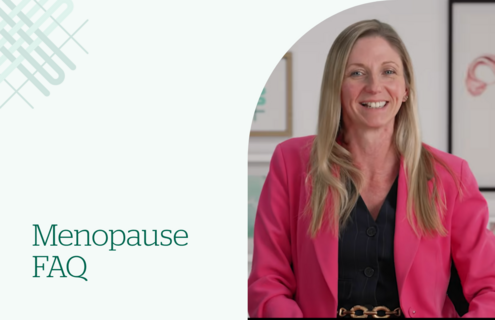
Many women struggle with menopause and its symptoms. These symptoms usually start when estrogen levels begin to fluctuate and decline. Sleep, mood, and overall well-being may be affected.
But once women have stopped menstruating for twelve consecutive months, hormonal fluctuations usually begin to stabilize to be more comfortable or predictable, says Kimberley J. Sampson-Paine, MD, MSc, an obstetrician and gynecologist at Southwestern Vermont Medical Center. With treatment or time, some symptoms can become easier to manage.
Below, Sampson-Paine answers questions about managing and treating the most common symptoms of menopause. Just keep in mind, these are generalized questions with generalized answers. There is no single way women experience menopause.
What are the stages of menopause?
There are three. The first is perimenopuase when those estrogen levels begin to change. Then comes menopause itself, which is a single day when a woman has gone 12 consecutive months without a menstrual period. Postmenopause is the third and final phase that lasts the rest of a woman's life.
Learn more about the timing of menopause symptoms.
What are hot flashes and what can be done about them?
Hot flashes are a common concern that can make women feel as if their thermostat has gone a little bit awry. Hormone therapy can help stabilize the body’s temperature regulation and reduce hot flashes, allowing many people to sleep better and function more comfortably in daily life.
Can menopause cause digestive issues?
Many women are less aware of the effect of menopause on the digestive system. As hormone levels decline, changes in the gut microbiome and gastrointestinal function may occur, and some people notice increased symptoms such as bloating, nausea, or changes in bowel habits. Women should talk to their healthcare provider about any digestive issues and know that dietary adjustments can help. Focusing on nutrient-dense foods, including fruits, vegetables, lean protein, and healthy fats support overall gut health.
Does menopause cause brain fog?
Many women report symptoms often described as “brain fog”, including difficulty concentrating, forgetfulness, or mental fatigue. In fact, research suggests cognitive decline is one of the most frequent complaints among about half of women going through menopause. Changes in estrogen levels are thought to play a key role, as estrogen has important effects on brain function. Practical strategies can help, including prioritizing sleep, using memory aids, and creating routines.
Are mood fluctuations real?
Mood changes during menopause are real, common, and can feel like a roller coaster. Many people notice increased irritability, anxiety, low mood, or emotional variability, particularly during perimenopause, when hormone levels fluctuate the most. Lifestyle strategies can be beneficial. For some, a healthcare provider may recommend medications such as selective serotonin reuptake Inhibitors (SSRIs) or serotonin-norepinephrine reuptake inhibitors (SNRIs).
What about vaginal discomfort?
Vaginal discomfort is common and may include dryness, itching, irritation, or pain with intercourse. These symptoms are part of a broader condition known as genitourinary syndrome of menopause (GSM). Changes in estrogen levels can also increase the risk of UTIs (urinary tract infections). Local vaginal estrogen therapy has been shown to be highly effective in improving symptoms and reducing recurrent UTIs.
What is GSM?
Genitourinary syndrome of menopause (GSM) is a chronic, progressive condition caused by declining estrogen levels and it can affect the vulva, vagina, and urinary system, leading to symptoms such as dryness, irritation, discomfort with intercourse, and recurrent urinary tract infections. Studies show that over half of postmenopausal women have symptoms, though many do not seek care. Some may feel embarrassed or assume these changes are a normal part of again that must be tolerated. Replacing estrogen locally is often an effective treatment, significantly improving symptoms. Vaginal estrogen is available in several forms, including creams, tablets, and rings. Creams and tablets are typically used once or twice weekly, while rings can remain in place for up to three months at a time.
Can sex life be affected by menopause?
Sexual health can be significantly affected. Changing hormone levels can impact both physical and emotional aspects of intimacy. Many people notice vaginal dryness, decreased responsiveness, changes in arousal, or a shift in desire. There are ways to address these changes. Treating physical symptoms such as vaginal dryness and supporting mental and emotional well-being can help improve sexual health and quality of life.
Is the heart affected?
Menopause is associated with changes in cardiovascular risk, in part due to declining estrogen levels. Being aware of this shift is an important first step in protecting the heart. Lifestyle plays a key role. Prioritizing fiber, healthy fats (including omega 3s), and nutrient-dense foods makes for a more heart-healthy diet. Regular physical activity, particularly exercise that raises the heart rate, supports cardiovascular health. Managing stress, getting adequate sleep, and understanding personal risk factors are also important. This includes knowing cholesterol levels and reviewing family history.
Can vitamins and supplements help treat symptoms?
Vitamins and supplements can play a supportive role. Calcium and vitamin D are important for bone health, which can deteriorate as you age. Magnesium may support sleep and muscle function. B vitamins can help with energy metabolism, and omega-3 fatty acids may support cardiovascular health and help reduce inflammation. Some people consider supplements such as Black Cohosh for symptom relief, including hot flashes, though results can vary. It’s important to discuss any supplements with a healthcare provider to ensure they are safe and appropriate.
Do people still have symptoms postmenopause?
It’s highly individual. While symptoms can begin years before the final menstrual period, many people notice that some of the more disruptive symptoms—such as hot flashes, night sweats, and joint discomfort—become more stable or improve over time. That said, some individuals continue to experience symptoms long-term.
If postmenopausal, is it too late to seek treatment?
No, because many treatment options remain effective even after menopause. For hormone therapy, evidence suggests the greatest benefit and lowest risk comes when started within 10 years of menopause or before age 60. However, this does not mean treatment is off the table later in life. The right approach depends on individual symptoms, health history, and goals. Remember, too, that postmenopause is an important time to focus on long-term health generally. Conditions such as osteoporosis and cardiovascular disease become more common in late age, making prevention and monitoring key.
No matter the phase, partnering with a healthcare provider is essential in the effective management of symptoms, exploring treatment options, and finding support for overall health.
You can find Menopause Society Certified Practitioner (MSCP)—formerly known as a NAMS-Certified Menopause Practitioner (NCMP)—at some health centers and menopause and midlife clinics.