

Children have an incredible capacity for healing and resilience that’s often different from adults.
Matthew M. Hand, DOChildren's bodies are naturally wired to heal. But if your child is living with anxiety, chronic pain, or sleep issues, it can be overwhelming to navigate treatment or find solutions.
Pediatric integrative medicine uses conventional medical care with therapies such as nutrition, movement, acupuncture, and herbs. It means bringing together conventional medicine with complementary therapies, always tailoring the approach to the unique needs of each child and family.
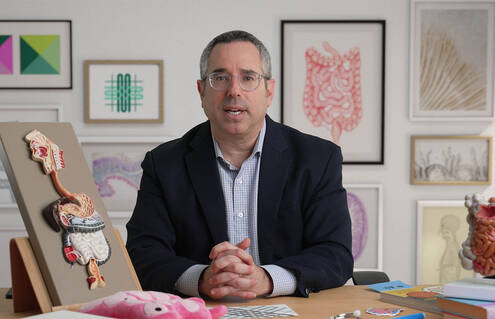
“We’re not just treating a diagnosis or a set of symptoms, we’re treating a whole child, within the context of their family and the child’s life. That’s how we help them thrive,” says Matthew M. Hand, DO, section chief of Pediatric Nephrology and director of the Pediatric Integrative Medicine Initiative (PIMI) at Dartmouth Health Children’s.
What does integrative medicine mean?
Instead of only treating symptoms, integrative medicine looks at the whole child, including their body, mind, spirit, and family environment.
Hand explains that medications and surgeries are still important, but they’re just part of the picture. Nutrition, movement, stress management, acupuncture, and hands-on therapies also play a role.
“Integrative medicine works because it meets families where they are, respects their values, and uses every safe, effective tool available to support a child’s health,” he says.
Research shows that only 20% to 65% of families discuss integrative medicine use with their doctor, often because parents don’t know it’s available.
"One thing that amazes me is how many families don’t know that integrative health is an option," Hand says. "It’s not something that’s widely publicized or taught in mainstream medicine, so families often find out by word of mouth or after exhausting other avenues.”
Chronic conditions often share a common components
At the root of many chronic conditions is inflammation, Hand says.
“If you look at almost any chronic disease we see in kids, whether it’s asthma, arthritis, eczema, or even anxiety, there’s almost always an inflammatory component,” he explains. “That’s why we focus so much on things that lower inflammation, from anti-inflammatory diets to stress management techniques.”
Integrative medicine addresses inflammation from multiple angles through nutrition, movement, and acupuncture.
What integrative medicine options can help kids?
Eating well (or good enough)
Nutrition can address a variety of pediatric issues, including food sensitivities, IBS (irritable bowel syndrome), constipation, diabetes, obesity, and ADHD (attention-deficit/hyperactivity disorder). Hand works with families to identify dietary triggers and supports sustainable, realistic changes.
Movement and physical activity
Regular movement helps treat chronic pain, anxiety, ADHD, insomnia, and mood disorders in kids. Hand encourages children to find physical activities they enjoy, helping them build healthy, lasting habits that improve overall well-being.
Mind-body techniques
Mind-body techniques such as mindfulness, guided imagery, and biofeedback give kids tools to manage stress and emotions. These skills help build resilience and self-awareness, so kids are better prepared for life’s ups and downs.
Manual therapies
Hands-on therapies, such as massage and chiropractic care, can help alleviate muscle tension, headaches, growing pains, and even colic in infants. These therapies can also support children recovering from injuries, experiencing chronic pain, or dealing with stress-related symptoms.
Acupuncture Acupuncture is used for pain, nausea (including chemotherapy-related), headaches, and anxiety. Hand notes that acceptance of acupuncture is growing among families and providers, but only specially-trained medical staff administer these treatments.
Herbs and supplements
Herbal remedies are among the most widely used complementary therapies in pediatric care, with options such as peppermint oil, fennel, and ginger aiding with digestive issues like colic and abdominal pain. Echinacea is commonly used to support the immune response during colds.
Supplements like fish oil can help with inflammation and asthma, he says. Be sure to speak to your doctor before giving your child supplements.
Spirituality and sense of self
For many families, spirituality is an important part of healing. Hand sees a child’s sense of purpose, connection, and faith as key to building resilience and well-being. He encourages families to use whatever spiritual practices or beliefs bring them comfort, such as prayer, mindfulness, time in nature, or other traditions.
Subscribe to the Living Better newsletter
Your trusted resource for reliable and up-to-date health and wellness information in the Northeast. Get it delivered to your inbox every other week.
What about CBD?
CBD (cannabidiol) is getting more attention for things like anxiety, sleep problems, and some types of pain in kids. CBD may also help with inflammation, and it’s sometimes used for ADHD and autism spectrum disorder.
Research on CBD for kids is still limited. When used in low, controlled doses, CBD has generally been well tolerated by children, Hand says. He advises speaking with your doctor before giving your child CBD.
CBD’s side effects seem mild, especially compared to many standard medications, he says. Most of the negative effects linked to cannabis are not from CBD. Hand says those come from THC (tetrahydrocannabinol), the main chemical in cannabis that causes the “high” feeling by affecting the brain and nervous system.
The potential to heal and thrive
"Remember that children have an incredible capacity for healing and resilience that’s often different from adults," Hand says. "And our job is to support that natural energy with the safest, most effective care we can offer."
Kids’ immune responses are also more vigorous than adults, and research suggests that less accumulated stress in the body may make children more receptive to a range of therapies.
Integrative medicine is also about empowering children and families.
“We want parents and kids to feel like they’re in the driver’s seat when it comes to their health,” Hand explains. “And when we look beyond symptoms to address lifestyle, stress, nutrition, and emotional well-being, we unlock the body’s full potential to heal and thrive.”
Resources + Related Stories
An Integrative Approach to Insomnia
An Integrative Approach to Help Increase Mental Health