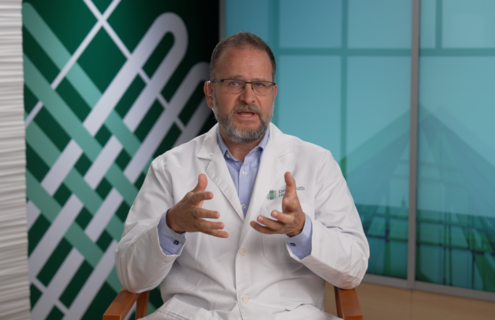

Bone loss is not symptomatic. It’s not like arthritis, and it doesn’t cause symptoms at all.
Deborah M. Enegess, MDYour bones are always at work, constantly breaking down old tissue and rebuilding new bone.
But as you age, this balance shifts, and your body begins to lose bone faster than it can replace it.
“Peak bone mass is somewhere around your late 20s or early 30s,” says Deborah M. Enegess, MD, an obstetrician-gynecologist at Dartmouth Hitchcock Clinics Concord and Bedford.
You might not think about bone health until you experience a fracture or another health problem. Here’s what doctors recommend to prevent and treat osteoporosis, and when you might need a bone density scan.
What causes bone density loss?
Both men and women lose bone as they get older, but women usually start losing bone earlier and faster.
Women often have smaller, thinner bones than men. Bone loss speeds up around menopause, when estrogen levels drop.
“Estrogen is a master regulator of bone-building and bone-destroying cells,” says Ugis Gruntmanis, MD, Dartmouth Health director of Bone Health and Osteoporosis, endocrinologist at Dartmouth Health’s Dartmouth Hitchcock Medical Center, and professor of medicine at Geisel School of Medicine at Dartmouth. “When menopause comes and estrogen disappears, bone loss really accelerates.”
Men tend to lose bone gradually. They don’t go through the sudden hormone changes of menopause, but lower testosterone and estrogen as they age can still lead to bone loss.
What about osteoporosis and osteopenia?
Osteoporosis means your bones have become much less dense and more fragile. This raises your risk of fractures, especially in your hips, spine, and wrists.
Osteopenia means your bone density is lower than normal. It can be an early sign that you are at higher risk for osteoporosis.
Experts say that having osteopenia doesn’t automatically lead to osteoporosis. Your doctor will consider your bone scan results, age, past fractures, medications, and other risk factors to determine your overall risk.
You can calculate your own 10-year fracture risk at Frax Calculator | FRAXplus®.
Subscribe to the Living Better newsletter
Your trusted resource for reliable and up-to-date health and wellness information in the Northeast. Get it delivered to your inbox every other week.
What does a bone density scan reveal?
A bone density scan, also called a DXA or DEXA scan, measures how much mineral is in certain bones, usually your hips and lower spine. It shows how strong your bones are and if you have less bone than expected.
The results reveal whether your bone density is normal, a bit low (osteopenia), or low enough to be called osteoporosis.
The results are given as a T-score. That shows how much your bone density differs from the average for a healthy young adult.
A T-score for bone density is in three categories:
- T-score of −1.0 or higher: Normal bone density
- T-score between −1.0 and −2.5: Low bone density, also called osteopenia
- T-score of −2.5 or lower: Osteoporosis
Another tool, called Trabecular Bone Score or TBS, allows doctors to measure bone quantity as well as quality.
What about fractures?
If you fall from your standing height and suffer a fracture, you have osteoporosis, Gruntmanis explains. He adds that 1 in 2 women and 1 in 5 men are at risk.
“No matter what your bone density shows, if you’ve had a fracture from that kind of fall, that’s osteoporosis,” he says.
He points out that bone scans are not always exact. Sometimes, doctors overlook fractures if a scan doesn't show severe osteoporosis. But a fracture is already a serious problem, much like a heart attack is for the heart, he says.
“When you have a heart attack, we don’t tell people, ‘Oh, your cholesterol kind of looks normal, so just don’t worry about it,’” he says. “That’s what often happens to people with fractures.”
For people who have experienced fractures and have osteoporosis, only 15% get bone density treatment, while 85% do not.
“We should – and can – do much better than that,” Gruntmanis says. “And the ones who are untreated just keep fracturing again, unfortunately.”
What are risk factors for low bone density?
Certain health conditions can weaken your bones or speed up bone loss, including thyroid and parathyroid disorders, rheumatoid arthritis, Crohn’s disease, chronic kidney or liver disease, diabetes, and some cancers.
Experts say prednisone or corticosteroids, certain antidepressants like SSRIs, and medications for seizures, breast cancer, and prostate cancer can also raise your risk for osteoporosis.
Other risk factors for bone density loss include:
- History of bone fractures
- Smoking
- A family history of osteoporosis or fractures
- Excessive alcohol use
- A low Body Mass Index (BMI) of less than 20
- Early menopause or medical menopause
When should you get a bone scan?
Guidelines say women should get their first bone density scan at 65, and men at 70, if they have no other risk factors. But Gruntmanis points out that not having risk factors is rare in his practice.
The only way to know your bone health status is with a bone density (DEXA) scan.
“Bone loss is not symptomatic. It’s not like arthritis, and it doesn’t cause symptoms at all,” Enegess says.
She recommends that most women who are menopausal or post-menopausal talk to their doctor about getting a bone scan before age 65.
Can you treat low bone density?
Medications like bisphosphonates (alendronate, risedronate, ibandronate), denosumab, and hormone replacement therapy can reverse bone loss and decrease fracture risk significantly.
Patients with fractures and very low bone density need bone-building medications like teriparatide, abaloparatide, or romosozumab, Gruntmanis says.
“To rebuild bone, it’s like rebuilding a home, and you need both bricks and mortar. Calcium, vitamin D, and exercise are the building blocks, and medications help slow down bone loss or, in severe cases, build new bone,” Gruntmanis says.
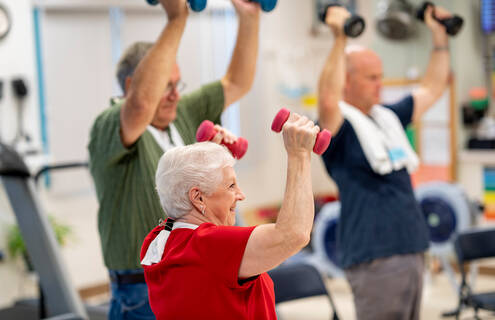
Weight-bearing and resistance exercises can help keep your bones strong. They also strengthen muscles, improve balance, and lower fall risk.
Research shows that resistance and weight-bearing exercises can maintain bone density in the spine, hip, and upper thigh bone near the hip joint.
Consistency is important for strength training and exercise. For older adults, research suggests doing resistance training at least twice a week can help your bones. But if you stop for more than six months, you may lose the benefits.
Experts say prevention and treatment can make all the difference.
“Exercise, calcium, and vitamin D will slow down the loss, but not reverse it,” Gruntmanis says. “But remember if you do all the right things to help slow down bone loss, your bone health will very likely be much better in the long run.”
Resources + Related Stories
National Bone Health and Osteoporosis Foundation
Aging Resource Center at Dartmouth Health
Improving Your Balance to Avoid Falls
What You Can Do About Osteoporosis
Keeping Your Balance as You Age
What Are The Early Signs of Arthritis?