Planning a hike? Beware of hypothermia.
Hypothermia happens when your body loses heat faster than you can produce it, causing your body temperature to drop dangerously low.
In the fall and spring, people in colder climates like Northern New England can unknowingly put themself at risk. Milder weather at lower elevations can lead them to fail to adequately prepare, and if they then start to get hypothermia, they can stop thinking clearly, making the situation worse.
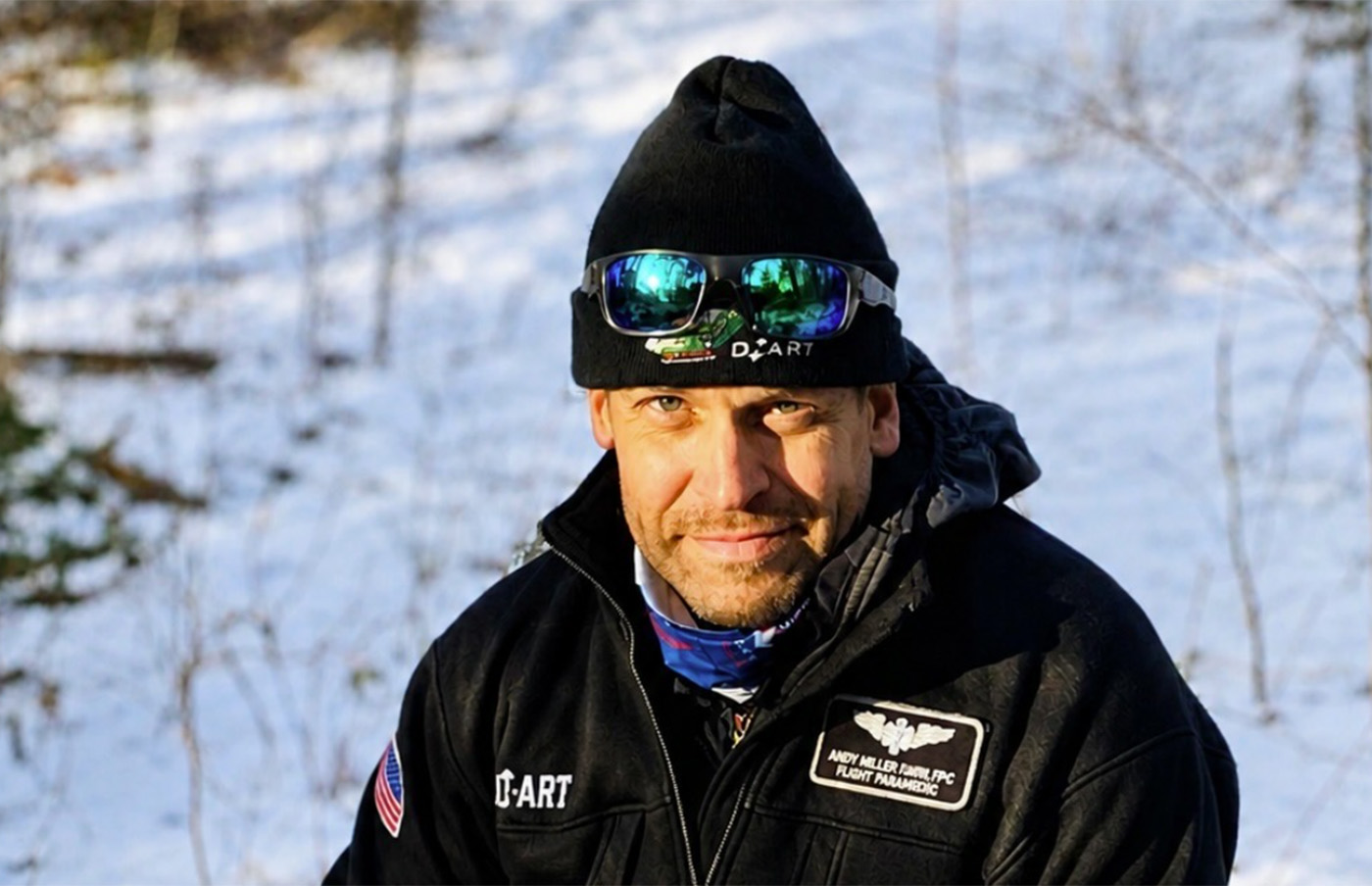
“Getting hypothermia can be insidious. You can be unaware you are losing heat,” says Andrew J. Miller, FP-C, a flight paramedic and survival instructor DHART.
If you are heading up to mountain regions like the White Mountains in New Hampshire or the Green Mountains in Vermont—or to other cold-weather areas—Miller offers these tips.
What is hypothermia?
Hypothermia is a condition that occurs when core body temperature drops below 95 degrees Fahrenheit (95 F).
When your body temperature drops, your heart, nervous system and other organs can't work as well as they usually do.
If you don’t treat it, hypothermia can then cause the heart and respiratory system to fail and even be fatal.
Why people get hypothermia in the shoulder seasons
In fall and spring, hikers in Northern New England can be prone to hypothermia because, when they come from lower altitudes, they don’t always consider that the air could get colder or a storm could hit. They therefore don't bring the proper clothing to keep themselves dry and warm.
To make matters worse, they then may not realize if they are developing hypothermia when they get cold.
“Hypothermia makes you confused. One of the first things affected is your ability to make a decision. You start losing your judgment,” Miller says. "Even mild, cold stress can affect judgment, and those poor decisions can quickly lead to more serious situations, such as becoming lost, injured, or exposed to even greater risk."
That's why, in addition to being prepared and clothed appropriately, it's especially important to stick together when you hike. “As soon as someone falls behind or struggles to keep up, there are risks,” Miller points out, noting that a buddy system can be a useful way to keep an eye on one another.
Symptoms and stages
Hypothermia usually starts as feeling very cold. When your body temperature starts to drop, you may begin to shiver, as shivering is your body's attempt to warm itself. "Shivering is the body’s natural response to losing heat, but shivering takes energy, and that energy needs to come from somewhere," says Miller. "As long as the body has the fuel and the ability to produce heat, shivering can help maintain body temperature."
The problem comes when your body is unable to maintain its normal body temperature, dropping to 95F or below.
The three basic stages of hypothermia are:
Stage One: Mild Hypothermia (Core Body Temp: 90F - 95F)
Your body is working hard to generate and conserve heat. You may experience:
- Shivering
- Faster heart and breathing rates
- Loss of fine motor skills
- Skin turning pale and cold
- Mild fatigue and confusion
- Increased urination
Stage Two: Moderate Hypothermia (Core Body Temp: 82F - 90F)
Your own warming mechanisms are starting not to work. You may experience:
- End of shivering
- Confusion and amnesia
- Stumbling, fumbling, mumbling or slurred speech.
- Slowing vital signs, including heart rate, breathing and blood pressure
- Blue skin and lips
- Irrational behavior like undressing
Stage Three: Severe Hypothermia Core Body Temp: (Core Body Temp: Below 82F)
This stage is life-threatening, and symptoms can include:
- Unconsciousness/coma
- Stiffened muscles
- Dilated pupils
- Dangerously low vitals
- Organ and heart failure
Miller, who is also a faculty member at the healthcare training organization World Extreme Medicine, points out that the organization uses the term “umbles” to describe behavioral changes associated with hypothermia.
What begins as stumbles can quickly become mumbles, fumbles, grumbles and even crumbles.
How to prepare so you don’t get hypothermia
Adequate preparation can go a long way toward preventing hypothermia.
You can start by checking the weather before you start your hike.
“When it may not be feeling like a cold day, it’s easy to go out and get in a bit of a predicament,” Miller says.
When hiking, you should dress in dry layers so your body can adapt to changing temperatures and not be overly affected by sweat and cold.
"Anticipating and managing moisture, whether from sweating or precipitation, is absolutely key," says Miller. "It’s much easier to prevent getting wet and cold than it is to recover once you are. Think layers," he says.
A helpful acronym to use before setting out is COLD.
- C: Wear clean clothing.
- O: Don’t overheat. It’s better to start underdressed than overdressed.
- L: Layer your clothing
- D: Keep you and your clothing dry, by anticipating you will get wet.
Make sure you bring:
- Extra warm clothing
- A hat and gloves
- Hand and foot warmers or other form of heat pack
- A windproof or waterproof shell
- Traction for your shoes so you are less likely to slip and fall
- Plenty of water
- A thermos filled with a hot drink.
- Food, including energizing gels
How to treat hypothermia
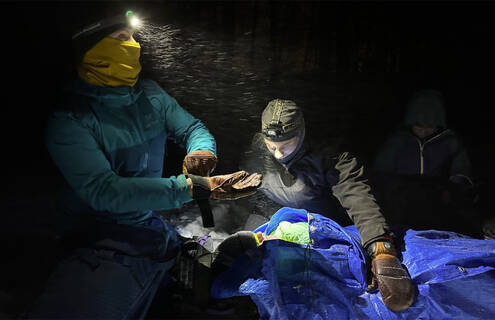
Treating early hypothermia involves fighting against heat loss. "The real enemies are the four mechanisms of heat loss: conduction, radiation, convection and evaporation," says Miller. He explains that wind, cold, wet, and frozen ground use those mechanisms to draw away your body heat.
"If you're with someone who is getting hypothermia, the key is to protect them from further heat loss. Get them into dry clothing and give them the energy they need to keep the internal fire burning," he says. He advises against having them lie or sit directly on the cold ground. "If they're fully alert and able to swallow safely, something like chocolate, a high-energy snack, or a warm, sweet drink can help put a few more logs on the internal fire. The important thing is to stop losing heat faster than a person can produce it."
Miller adds: "Movement, good nutrition, and appropriate clothing are some of our best defenses against these enemies. But perhaps the most important message is stay dry."
The Appalachian Mountain Club advises taking the following steps if hypothermia is suspected.
- Stop heat loss: Hold on and restore body heat by sheltering yourself from wind and rain
- Take off wet clothing: Strip off all wet layers, put on dry, and wrap yourself in a waterproof vapor barrier like a reflective blanket, if you have one.
- Don’t touch the ground: The ground conducts heat so will draw heat from the body. Put a sleeping pad, foam mat, or backpack between you and the ground.
- Get fuel and warm fluids: If you are alert and able to swallow safely, drink (preferably warm and sweet liquids) and eat high-energy simple carbohydrates and energy gels.
- Use heat packs: Put heat packs in your armpits or against your torso, though not directly against your torso. But be careful if hypothermia is in the second or third stage, as cold hearts are sensitive to shock.
- Move: Get the body and blood moving if you are able and it is safe for you to move.
- Call for help: If you have a cell phone but no reception, you may be able to connect to a satellite, too.
Late-stage hypothermia
The later stages of severe hypothermia can be incredibly difficult to recognize or to treat outdoors.
"If you come across someone with profound or severe hypothermia, the priorities are to handle them as gently as possible, get them into shelter if it can be done safely, protect them from any further heat loss, and organize a rescue as quickly as possible," Miller says.
He also notes that a little planning can make a huge difference. "Leaving your plans for the day with someone reliable, including where you’re going and when you expect to return, is always a good idea. It’s also worth knowing what rescue resources are available in the area and how you would contact them if you need assistance," he advises.
Recovering from hypothermia
Most healthy people recover from hypothermia with no long-term effects, though you may feel temporary tiredness, mental grogginess, and hunger for a short while. If you have a serious case, you might experience prolonged physical or neurological issues, such as nerve damage, organ strain, or lingering memory and focus difficulties.
"Most people with mild to moderate hypothermia do just fine," says Miller. "In fact, most mildly hypothermic patients I’ve seen with some nutrition, dry clothing and exercise improve very quickly, but it should still be taken seriously and, when you do recover, seen as an indication that maybe you weren’t adequately prepared. "