It can feel similar to mild jet lag because your normal daily rhythm is thrown off a bit.
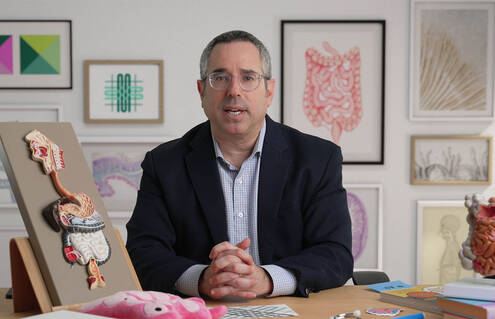
Peter M. Loescher, MDYou might have gotten an extra hour of sleep when the clocks shifted back by an hour.
Daylight saving time ended on November 1, and now it gets dark outside before 5 p.m.
Research shows that moving the clocks back in fall is easier on your body than moving them forward in spring. But the fall time change can still temporarily disrupt your sleep, mood, energy, and internal clock.
“Early darkness and less natural light can be discombobulating for your brain,” says sports medicine physician Peter M. Loescher, MD, of Alice Peck Day Hospital.
As daylight fades, our doctors offer tips on how to adjust and feel better.
How is your body affected?
When the clocks “fall back” this time of year, your daily routines, like waking, meals, and bedtime, can feel out of sync.
"It can feel similar to mild jet lag because your normal daily rhythm is thrown off a bit,” Loescher says.
If you live in northern New England, you’ll see earlier sunrises for the next six weeks.
But by mid-December, the extra morning light has gone away, and the sunsets are even earlier. These changes in daylight can feel abrupt, but most people adjust relatively quickly.
"Our internal clocks can adjust, but it can take a few days to a week,” says Brooke Judd, MD, section chief of Sleep Medicine at Dartmouth Hitchcock Medical Center’s Sleep Disorders Center.
Changes in daylight can affect your body and mind in several ways, such as:
- Earlier sleepiness
- Mood changes
- Circadian rhythm disruption
- Reduced evening activity
Who may have more difficulty adjusting?
If you’re an early riser or an older adult, or already have trouble sleeping, you might find it harder to adjust to the time change. Kids can also have a tough time with it.
If you deal with depression or Seasonal Affective Disorder (SAD), you might also struggle as daylight becomes more limited.
Experts say you can make the time change easier by:
- Maintaining consistent sleep and wake times
- Getting outside in the morning for natural light
- Avoiding bright screens and excessive artificial light before bed
- Keeping regular exercise and mealtimes
What about your circadian rhythm?
Your circadian rhythm is your body’s 24-hour internal clock that controls your sleep-wake cycle. Melatonin, a hormone made by the pineal gland at night, helps set this rhythm.
“Your circadian rhythm is largely dictated by natural light,” Loescher says. “Your brain is signaling that it’s time to start waking up and getting alert when it gets light out.”
Morning light tells your brain it’s time to wake up. Darkness signals that it’s time to get ready for sleep.
Loescher explains that walking to your car after work and finding it already dark, especially if you haven’t seen much natural light during the day, can be tough.
“Your brain needs natural light for your circadian rhythm to function properly,” he adds.
Subscribe to the Living Better newsletter
Your trusted resource for reliable and up-to-date health and wellness information in the Northeast. Get it delivered to your inbox every other week.
What about mental health?
Research shows that turning the clocks back in November doesn’t always mean you’ll get an extra hour of sleep. A 2024 study found that people slept only 33 minutes longer on average in the days following the fall time change.
Even with sleep disruption and earlier sunsets, research doesn’t consistently show that the fall time change makes mental health worse.
A 2025 study found fewer cases of anxiety and depression in the week after the fall time change. But shorter days and less sunlight during fall and winter can lead to seasonal depression, especially in northern New England.
Seasonal depression, or SAD, affects about 5% of people during late fall and winter.
“A lot of people get depressed or anxious, feel tired, groggy, or experience brain fog,” Loescher says.
Why do experts say standard time is healthier?
The American Academy of Sleep Medicine (AASM) recommends getting rid of seasonal clock changes and switching to permanent standard time instead of permanent daylight saving time.
“The light-dark cycles in standard time more generally align with our internal circadian clock,” Judd says.
Standard time is used in fall and winter, when clocks are set one hour earlier than during daylight saving time. This gives you more daylight in the morning and earlier sunsets.
“There’s growing evidence that the biannual clock changes can have significant health consequences, particularly with the shift to daylight saving time in spring, as it causes an initial loss of sleep hours,” she adds.
Does light therapy help?
Light therapy means sitting near a lightbox or lamp for about 30 minutes.
Judd says a light box is meant to treat SAD or circadian disorders and can also help if you can't get outside. Follow the directions for safe use, and check with your doctor if you're considering a light box.
There are some conditions where using a light box may not be safe, including certain eye diseases, bipolar disorder, and some medications that may make you more light-sensitive, Judd explains.
Research suggests using a 10,000-lux box that mimics soft, natural daylight. This specific warmth gives your brain the right wake-up signal without causing harsh glare or straining your eyes. It can help by:
- Aligning your circadian rhythm with your brain
- Balancing the activation of serotonin in your brain
- Encouraging consistent sleep patterns
- Increasing your alertness
Does morning outdoor light really make a difference?
As days get shorter, getting 10 to 15 minutes of natural morning light can help, Loescher says.
Getting natural light in your eyes when you wake up tells your brain to stop making melatonin and start releasing hormones that help you feel awake and ready for the day.
“The best thing you can do this time of year is get outside as soon as it's light out, especially on sunny mornings,” Loescher says. “Early morning sunlight can help wake up your brain and set your body’s clock for a better night’s sleep, too.”
Resources and Related Stories
Dartmouth Hitchcock Medical Center’s Sleep Disorders Center
American Academy of Sleep Medicine
How Do You Manage Seasonal Depression?
5 Things You Should Know About Sleep
Is Exercising in the Cold Good for You?