

All Articles

What Are Early Signs of Parkinson’s Disease?
Parkinson's disease is a progressive neurological disorder that causes involuntary movements, stiffness, and balance problems.

Using AI for Your Health? Here's What to Watch Out For
AI technology can be a useful tool to help better understand your symptoms and treatment. Just be careful what you share with an AI chatbot.
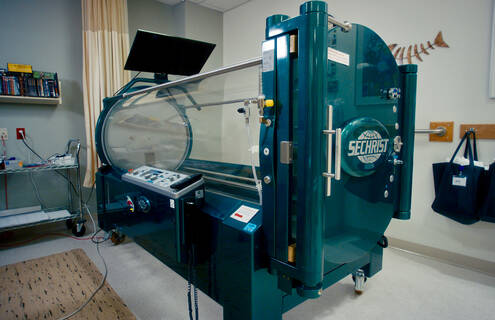
What Is Hyperbaric Oxygen Therapy and What Conditions Does It Treat?
More people are turning to hyperbaric oxygen chambers for a growing number of conditions.. But make sure you go to an accredited hyperbaric medicine clinic and that your treatment is proven to help your condition.

Is That Pain in Your Foot Plantar Fasciitis?
When you get out of bed in the morning, you might feel a sudden, stabbing pain in your heel, almost like stepping on a Lego. Those first few uncomfortable steps are a classic sign of plantar fasciitis, the most common cause of heel pain.
How to Lower Suicide Risk
Suicide rates may have been climbing in recent years. But communities, schools, healthcare systems, and families are now engaging on how to help, as quickly and appropriately as they can.

Do You Need a Bone Density Scan?
A bone density scan, also called a DXA or DEXA scan, measures how much mineral is in certain bones. The results reveal whether your bone density is normal, a bit low (osteopenia), or low enough to be called osteoporosis.

Confused About Whether to Get a COVID-19 Vaccine?
There is an uptick of COVID-19 in some areas. Find out about the 2026-2027 guidelines on whether to get vaccinated.

High Blood Pressure: Everything You Need to Know
Untreated high blood pressure is a major risk factor for heart attack, stroke, and other cardiovascular diseases.

What’s the Difference Between a Food Allergy and a Food Intolerance?
Food intolerances can cause symptoms similar to allergies, making it easy to confuse the two. How can you tell the difference?

Will an AI Scribe Improve Your Doctor Visit?
Learn what doctors are saying about our new ambient technology and whether it is helping them and their patients at their appointments.